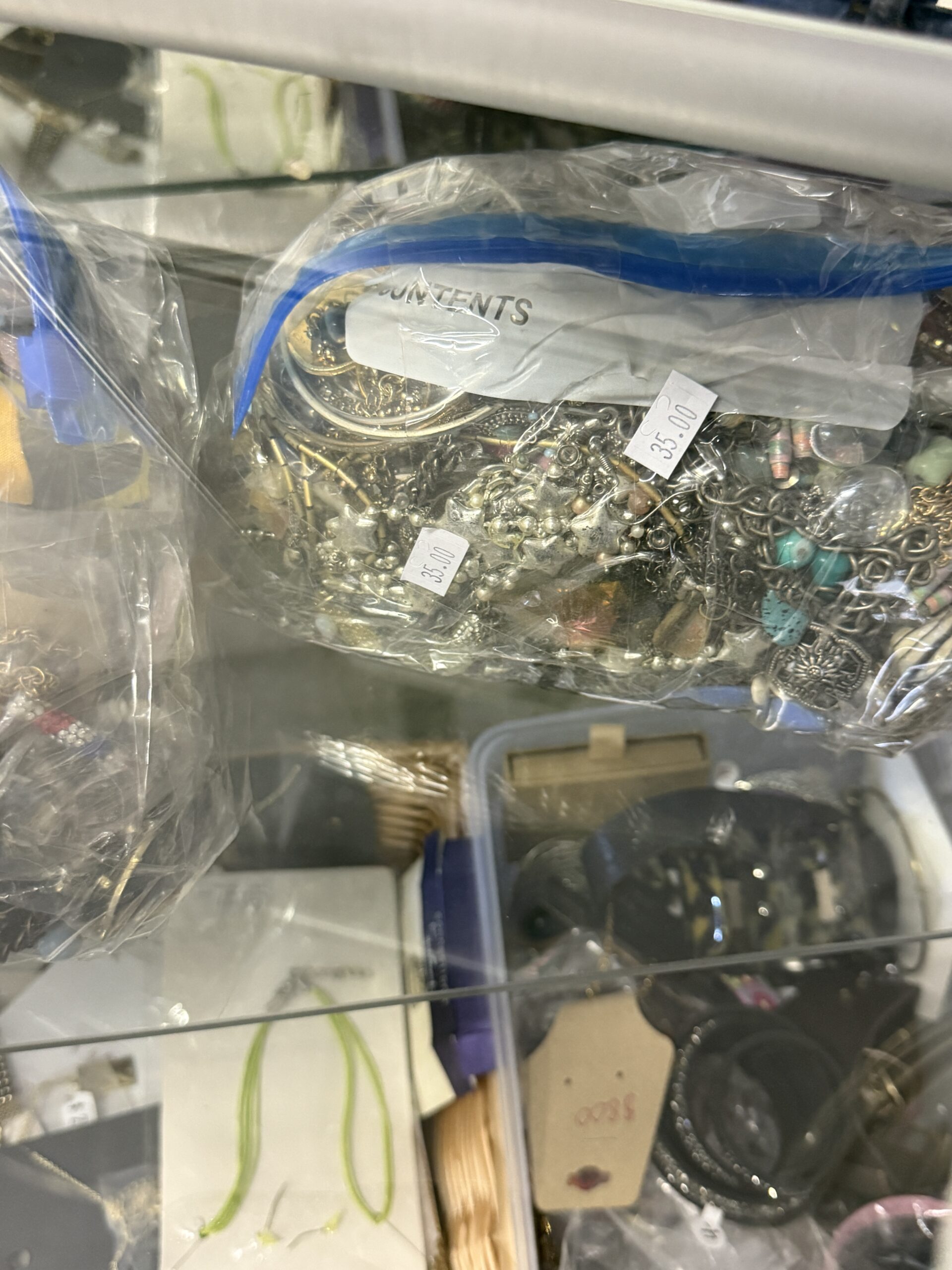
For me, there are few things more exciting than a chance encounter with a jewelry jar or grab bag at the thrift store. Thrift stores occasionally toss miscellaneous jewelry pieces into gallon-sized Ziploc bags or glass jars when they don’t have the personnel to sort jewelry by the piece. From 14K gold lockets to high-end costume jewelry brooches, you never really know what kind of treasures await you.
Are jewelry jars worth it?
Here’s the thing, though: It’s seldom worth it to buy jewelry jars. The excitement of mystery and intrigue wears off quickly when you realize you’ve just picked up garbage. The Jewelry Reseller’s Podcast recently explored the topic of jewelry jars and more or less came to the same conclusion, at least for resellers.
If you’re looking to make a profit on mystery jewelry bags, your chances are slim. You might not even make your money back. Most of the time, these bags are steeply priced (at least $20, at their lowest), and you’re not allowed to open them up.
Without being able to see what’s in the center of these bags, you can easily pick up junk—pieces that look good from a cursory, front-facing glance but are actually broken or flawed from behind. Or, you might spot a few nice pieces and end up with a pile of plastic beads. The worst situation is wasting time untangling a spaghetti monster of necklaces only to end up with duds. (Trust me, I’ve been there.)

My working theory is that most but not all jewelry bags are made up of stuff that no one at the store wanted to deal with — tangled necklaces, pieces missing stones, and so on and so forth.
To my chagrin, I’ve wasted a mortifying amount of money (to the tune of atleast a hundred dollars) on thrift store jewelry bags. These bags appeal to my impulsive side, and I’m more willing to gamble on them if they’re only $20. Usually, however, this gamble ends up being a $20 that would have been better spent on a grocery run.
It’s not just a reseller thing, though. For all the reasons I listed above, I also wouldn’t buy jewelry jars if you’re someone looking to build out your personal collection. Even if you find gems, you’ll likely make a trip back to the thrift store to re-donate the random junk you picked up. It’s better to buy by the piece if you’re serious about curating a jewelry collection.
When is it a good idea to buy a jewelry jar?
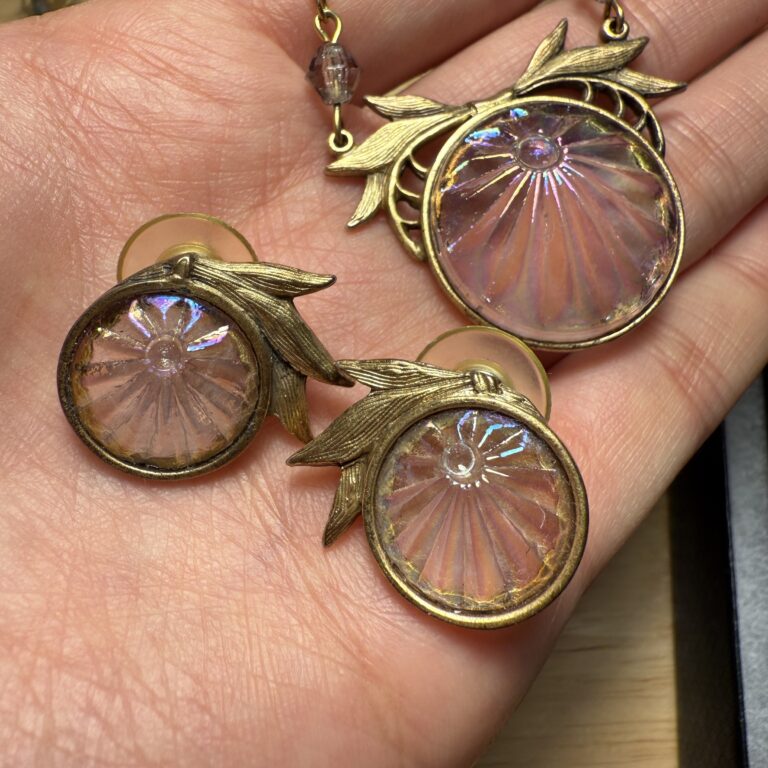
Here’s when it might make sense to buy a jewelry jar: If you’re just hunting down jewelry jars for crafting, you can actually hit the jackpot for beads, rhinestones, and near perfect pieces that just need a little TLC. If you have the space to store all of this and the patience to sort through the rejects and wrapped chains, you could actually get a sweet deal. As someone who finds herself doing jewelry repairs all the time, I’ve learned that bead findings and crystal rhinestones are NOT cheap.
Alternatives to thrifting jewelry jars
Okay, so buying jewelry jars can be kind of a crapshoot. But what are your alternatives? Whether you’re looking to buy jewelry in bulk for resale or fun, here are three other options that don’t involve a disappointing post-thrift trip haul.
Shop jewelry lots online
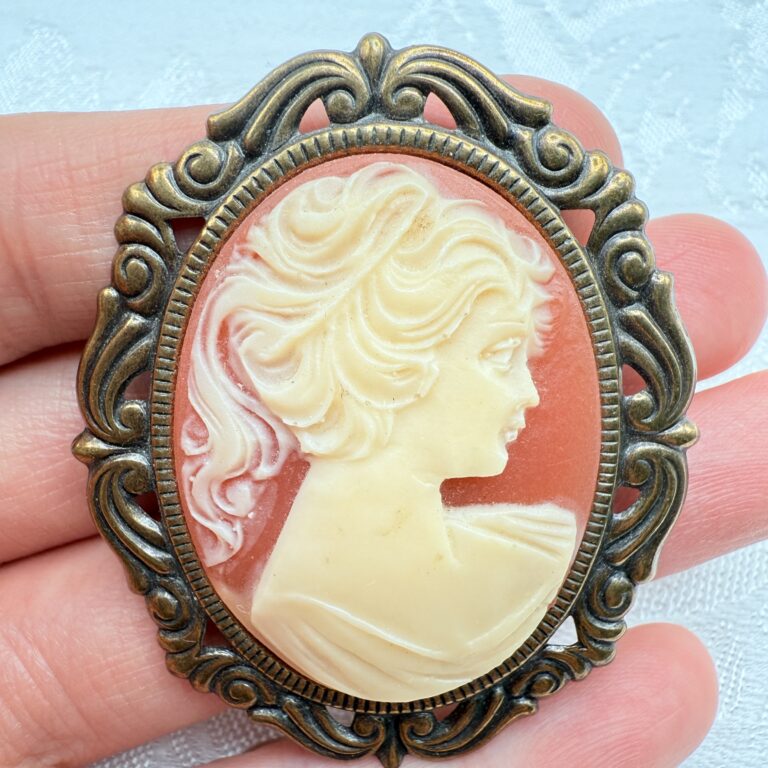
It’s pretty easy to find jewelry lots online if you browse eBay and ShopGoodwill. What I like about online lots is that you can actually see what you buy, or at least you can choose listings that allow you to do just that. Personally, I avoid listings where there’s a huge unsorted pile or any that use keywords like “junk jewelry.” If I’m buying in bulk, I need to know exactly what I’m looking at.
Check estate sales

I love buying jewelry lots at estate sales. My guess as to why this jewelry is good is because it came directly from someone’s personal collection, and they either passed away or wanted to get rid of it really quickly. These jars usually aren’t filled with reject junk. It’s interesting, though—one recent estate sale I went to did have labels that distinguished between “junk jewelry” and “good jewelry.”
If you spot jewelry jars or bags in an estate sale listing, I’d go on the first day of the sale early. During one estate sale, I waited in line to get in on the first day and was only able to pick out two out of 15 or 20 jars the first five minutes of the sale.
If you see jewelry scattered about or individually showcased in an estate sale listing, you might have better luck on the last day. Jewelry isn’t usually a fast seller when it’s displayed by the checkout counter, since people might be too shy to come up and ask about the prices or feel awkward about the sale organizer eyeing them so closely. You can create something of a discounted mini lot, as you’re likely to get a better deal if you buy more. I’ve also had luck negotiating for lots on the last day since people just want to get rid of stuff by then.
Browse local options from Facebook Marketplace and yard sales

I haven’t tried my luck with Facebook Marketplace because I’m honestly wary about scams, but yard sales have been good to me when it comes to buying jewelry in bulk. I usually ask about the prices for a few pieces and then gather more to negotiate a deal. Although it can be hot and icky outside by then, you might get lucky towards the end of a sale since people are more willing to let go of stuff to clear their inventory. Otherwise, they’d probably have to list it online or drag it to the thrift store.
Flea markets
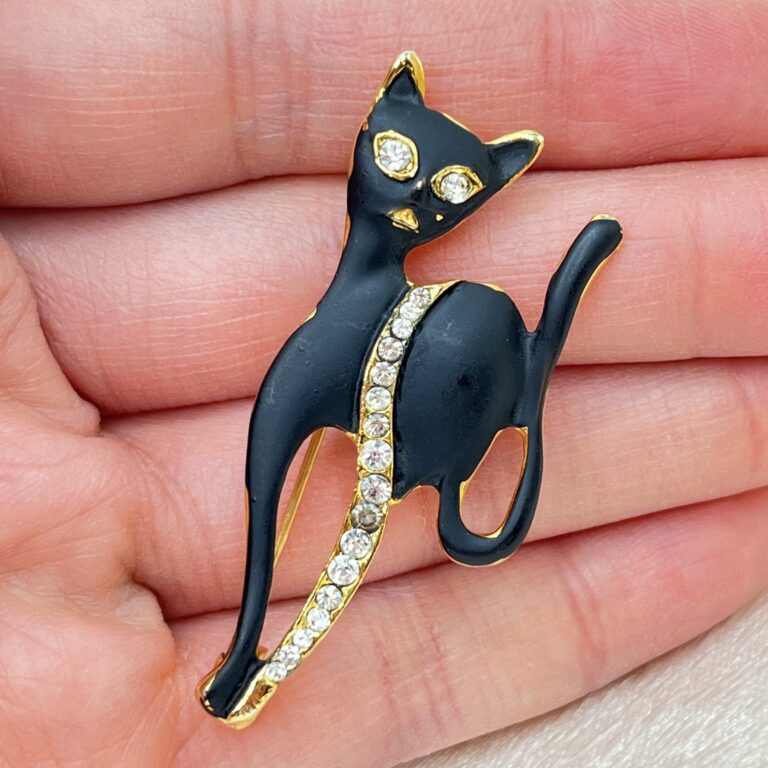
Flea markets are some of the best places to buy jewelry in bulk. Maybe you’re not necessarily buying from a jar, but you can compile a huge lot without spending an exorbitant amount of money, at least when it comes to costume jewelry anyway. In my experience, vendors have usually had huge piles — often from the Goodwill bins—dumped out onto tables, starting pieces at $1 to $3 per pop. In a sense, you’re picking and choosing from a jewelry bag.
Jewelry jars are undoubtedly a gamble, but your risk of picking up junk lowers in certain contexts, like when you’re buying from an estate or when you’re compiling your own lot. While I’m hesitant to pick up a grab bag from the thrift store, I’m definitely down to browse online and hit up local sales. With all of this advice in mind, go forth and buy your bits and baubles—responsibly!